
How to Layer Lighting in a Living Room: A Step-by-Step Guide
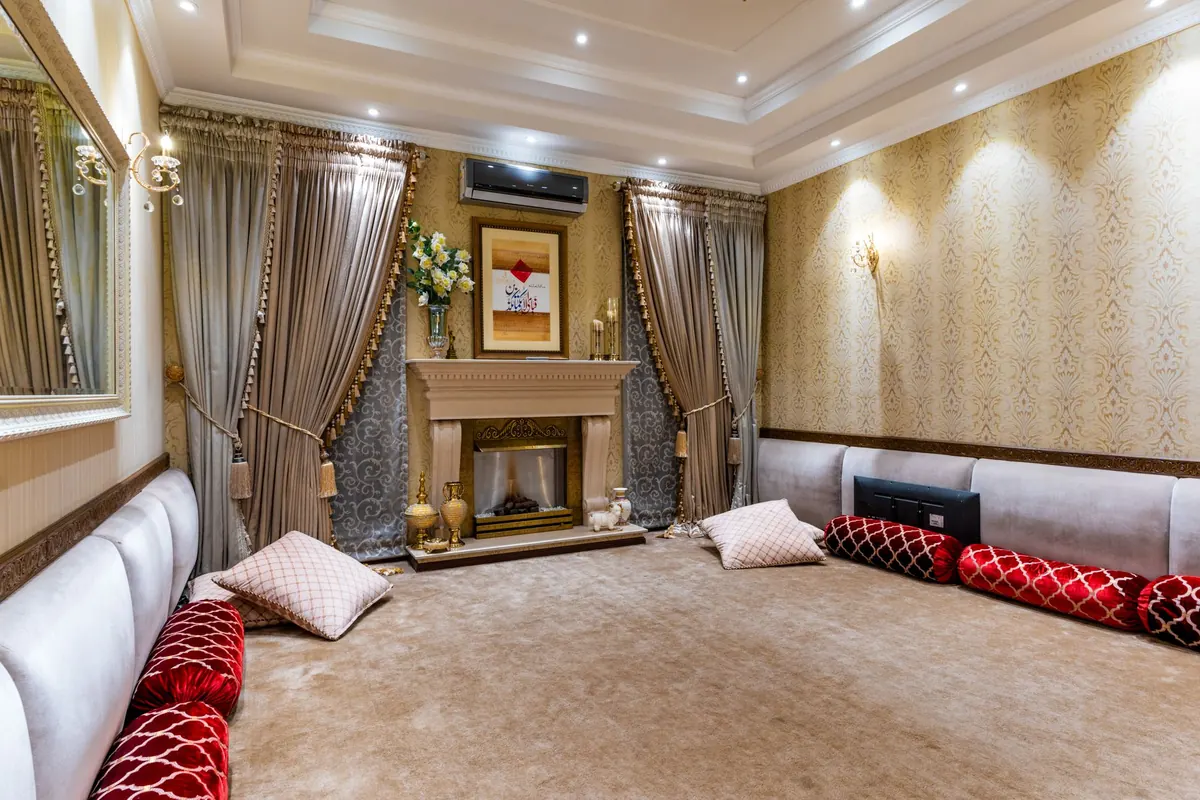
Most living rooms are lit by a single fixture in the middle of the ceiling, and it shows. The corners go dark, the sofa becomes a place to squint, and the room has exactly one mood: on. Layering fixes that. It is not a complicated design technique, and you do not need to rewire the house. You need three kinds of light doing three different jobs, and a way to turn each of them down.
Start With Ambient Light, Then Spread It Out
Ambient light is the base layer — the general wash that lets you move around without stepping over things. The mistake is treating it as the main event. If ambient light is bright enough to read by, it will also flatten the room and make every other layer pointless.
Aim instead for soft, even, slightly underpowered fill. One central pendant can work, but two or three lower-output sources around the perimeter usually feel better: a pair of ceiling fixtures, a few recessed downlights on a dimmer, or wall sconces that push light up onto the ceiling and let it bounce back down. Cove lighting along a shelving unit does the same job with almost no glare.
Two practical rules. First, keep ambient fixtures away from directly above seating — nobody enjoys a bright disc over their head. Second, if you are using recessed downlights, choose a wide beam and a lower output rather than fewer, punchier ones. You want the ceiling to glow, not to spot the rug.
Task Lighting Where the Room Actually Gets Used
Task light is directional and purposeful. In a living room it lives at the ends of the sofa, beside the reading chair, over the desk in the corner, and on the sideboard where you sort mail. This is the layer that makes the room usable after dark.
Height matters more than style. A table lamp should sit so the bottom of the shade is roughly at the eye level of a seated person — around the height of your chin when you are sunk into the cushions. Lower than that and you get glare; much higher and the light pools uselessly on the tabletop. With a floor lamp beside a chair, the shade should sit just above and slightly behind your shoulder so the light falls onto the page rather than into your face.
Swing-arm wall sconces are underrated here. Mounted between two seats and swung where you need them, they free up the side table and put light exactly over a book. Arm-mounted reading lights on a sofa or headboard do the same. Whichever you choose, position task light so it comes over your shoulder, and check it from the seat itself before you commit.
Accent Lighting: The Layer That Adds Depth
Accent light is what makes a layered room look designed rather than merely lit. Its job is contrast — brightening a particular surface so the eye has somewhere to rest and the room gains a sense of depth.
Good candidates are few and specific: a framed picture, a row of books, a textured wall, a plant with interesting leaves, the grain of a wooden shelf. Picture lights, small adjustable spots, a strip of LED tucked under a shelf edge, or an uplight hidden behind a large plant all work. Keep the accent brighter than the surrounding wall — noticeably so, but not theatrically.
Where to Point It
- Across a surface rather than straight at it — grazing light reveals texture on brick, plaster, or linen.
- From above and slightly in front for artwork, so the frame does not cast a shadow onto the canvas.
- Behind a plant or sculptural object to throw a soft shape onto the wall.
- Away from any spot where someone will sit and look up, since small bright sources are uncomfortable at close range.
Resist accenting everything. Two or three moments in a room are usually enough; more and the effect turns into clutter.
Dimming Is What Holds the Layers Together
Layering without dimming is only half the job. The whole point is to change the balance between layers through the evening — bright and even for tidying up, medium and mixed for conversation, low and warm for the last hour before bed.
Put the ambient layer on a dimmer first; that single change gives you most of the flexibility. Then add dimming to task lamps, ideally with a smart plug or an inline dimmer, so the reading corner can soften when nobody is reading. If you are buying dimmers for LED bulbs, check that the dimmer is rated for LED loads and, where possible, use a trailing-edge model — older leading-edge dimmers often cause flicker or buzzing with modern bulbs.
Test the bottom of the range before you settle on a brand. Some LED and dimmer pairings drop out suddenly at low levels or shimmer faintly. A dimmer that fades smoothly to a genuine five percent is worth more to a living room than one that goes marginally brighter at the top.
Choosing Bulbs That Keep the Room Coherent
Bulbs are where layered rooms quietly fall apart. A warm lamp, a cool ceiling downlight, and a greenish accent spot will each look fine on their own and wrong together.
Keep the living room in the warm range — around 2700K to 3000K — and keep it consistent across layers. Look for a colour rendering index of 90 or above for anything that lights skin, wood, fabric, or art; lower-CRI bulbs make good materials look grey. Ignore wattage as a brightness guide and read lumens instead, then choose slightly lower output than you think you need and let the dimmer take up the slack. For accent spots, a narrow beam (around 25 to 35 degrees) gives you control; for ambient downlights, wider is kinder.
If a bulb is visible from the sofa, choose one with a diffused cover rather than an exposed emitter. Comfort is mostly a matter of not seeing the source.
A Step-by-Step Plan for Your Own Room
- Walk the room at night with the overhead light on and note where you actually sit, read, eat, work, and talk.
- Mark the outlets and any existing ceiling points. Most layering can be done with plug-in lamps and one or two swapped fixtures.
- Set the ambient layer first: soften it, spread it, and put it on a dimmer.
- Add one task light per seat where someone reads or works, positioned over the shoulder.
- Choose two or three accent targets and light them with something adjustable.
- Live with the arrangement for a week, dimming as you normally would, and notice which fixtures never get switched on.
- Move, swap, or remove without sentiment. Unused light is just clutter with a cable.
Living With Your Layers
Give the room a few evenings before you judge it. Layering is a tuning process, not a one-time purchase: you will probably move one lamp twice and decide the accent spot on the shelf is unnecessary. Keep a spare of each bulb type in a drawer, labelled, so a failed lamp does not throw off the colour balance six months from now. And when you add anything new — a chair, a bigger sofa, a floor lamp — recheck the reading light from the seat itself. The best-lit living rooms are the ones where nobody ever thinks about the lighting.
Photo: edithub pro / Pexels